FREE Shipping For USA, UK, Canada & Australia

Poodles: The Complete Breed Guide, Grooming & Care Tips
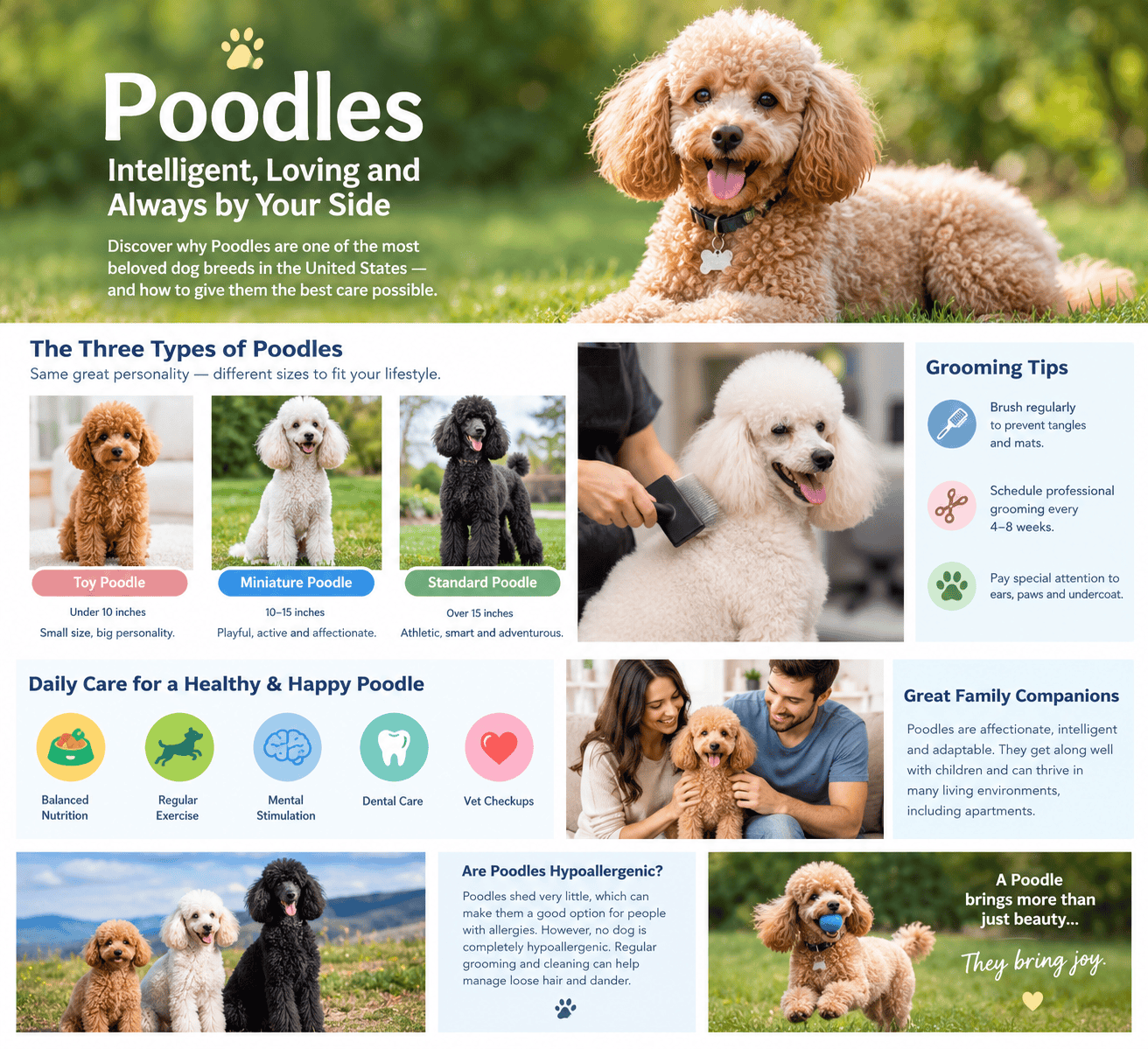
Poodles are among the most beloved dog breeds in the United States, known for their intelligence, curly coats, playful personalities, and strong bonds with their families. Whether you are thinking about bringing a Poodle home or already share your life with one, understanding this remarkable breed can help you provide the best possible care.
From the tiny Toy Poodle to the athletic Standard Poodle, these dogs offer a wonderful combination of companionship, intelligence, and personality. In this guide, we will explore Poodle sizes, temperament, grooming needs, exercise requirements, and essential tips for keeping your furry friend happy and healthy.
What Is a Poodle?
The Poodle is a highly intelligent dog breed recognized for its distinctive curly coat, elegant appearance, and trainable nature. Although many people associate Poodles with fancy haircuts and dog shows, they were originally developed as water-retrieving dogs.
Their intelligence and willingness to learn make them popular among families, active individuals, and experienced dog owners throughout the United States.
Poodles are also known for their adaptability. With proper exercise, training, social interaction, and grooming, they can thrive in many different living environments.
The Three Main Types of Poodles
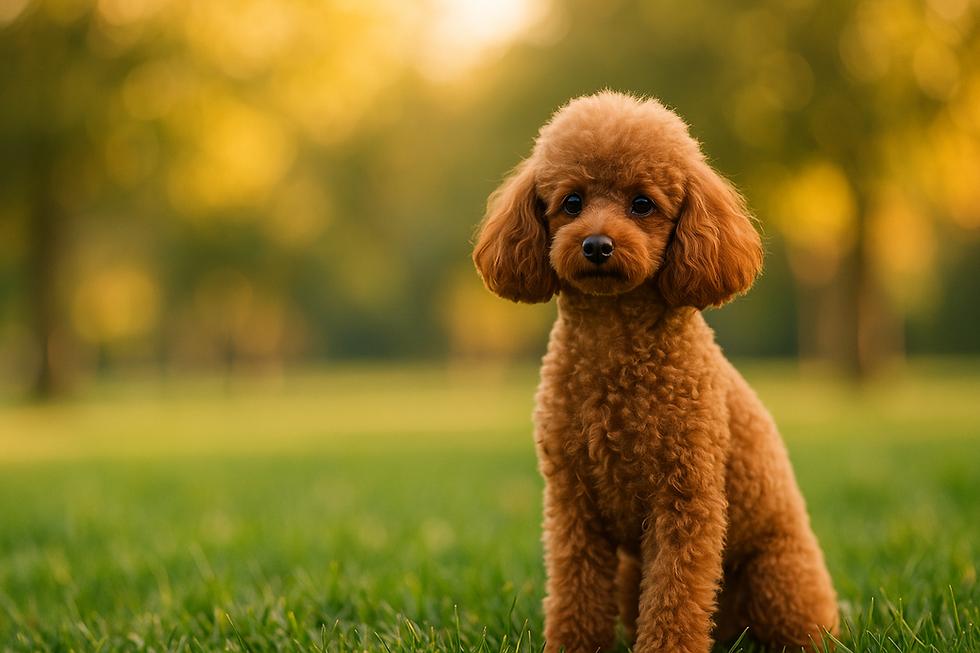
Poodles come in three commonly recognized size varieties. Their size, energy levels, and individual personalities can influence which one is the best fit for your lifestyle.
1. Toy Poodle
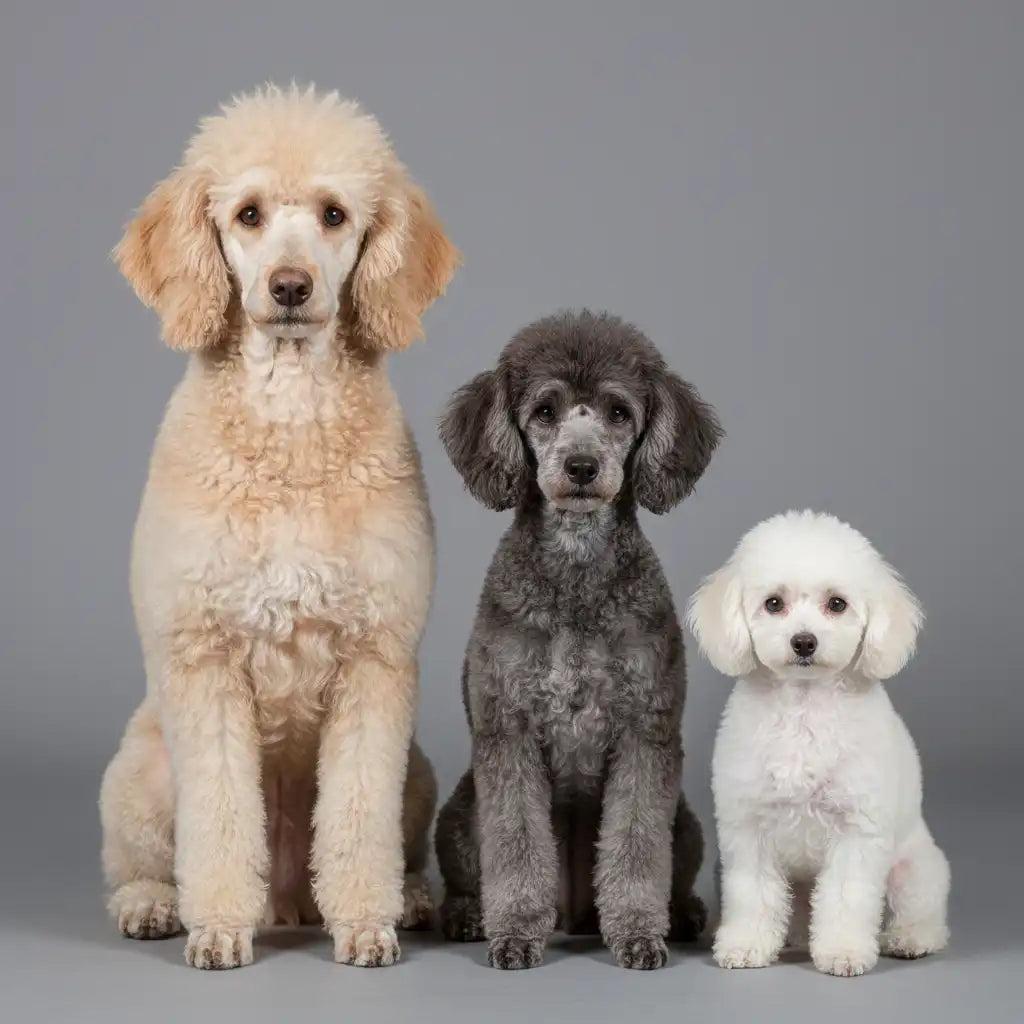
Toy Poodles are the smallest variety, typically standing no more than 10 inches tall at the shoulder under American Kennel Club standards.
These little companions are affectionate, alert, and intelligent. Their compact size makes them suitable for many apartment and city living situations, provided they receive regular exercise and mental stimulation.
Toy Poodles can be delicate, so families with very young children should teach gentle handling and supervise interactions.
2. Miniature Poodle
Miniature Poodles generally stand more than 10 inches and up to 15 inches tall at the shoulder under American Kennel Club standards.
They combine a manageable size with an energetic, playful personality. Miniature Poodles often enjoy walks, games, training sessions, and spending time with their families.
They can be a great option for people looking for a small-to-medium companion with an active and curious nature.
3. Standard Poodle
Standard Poodles stand over 15 inches tall at the shoulder under American Kennel Club standards, with many measuring considerably taller.
They are athletic, intelligent, and often enjoy outdoor activities such as hiking, swimming, and retrieving games when properly introduced and supervised.
Despite their elegant appearance, Standard Poodles are capable sporting dogs that benefit from regular physical exercise and challenging activities.
Why Are Poodles So Popular in the United States?
Poodles have earned a loyal following for several reasons.
Exceptional intelligence: Poodles are quick learners and often respond well to positive-reinforcement training.
Affectionate companionship: Many Poodles form close relationships with their owners and enjoy being involved in everyday family activities.
Low-shedding coats: Poodles generally shed less visibly than many other breeds. However, no dog is completely hypoallergenic, and people with allergies may still react to Poodles.
Different size options: Toy, Miniature, and Standard varieties allow prospective owners to consider a size that fits their household and activity level.
Versatility: Poodles can participate in obedience, agility, retrieving, and other activities that engage their minds and bodies.
Every dog is an individual, so temperament, training, socialization, and genetics also play important roles.
How to Care for a Poodle
Caring for a Poodle involves more than providing food and a comfortable bed. Their intelligence, coat type, and activity needs make consistent care especially important.
1. Keep Your Poodle's Coat Well Groomed
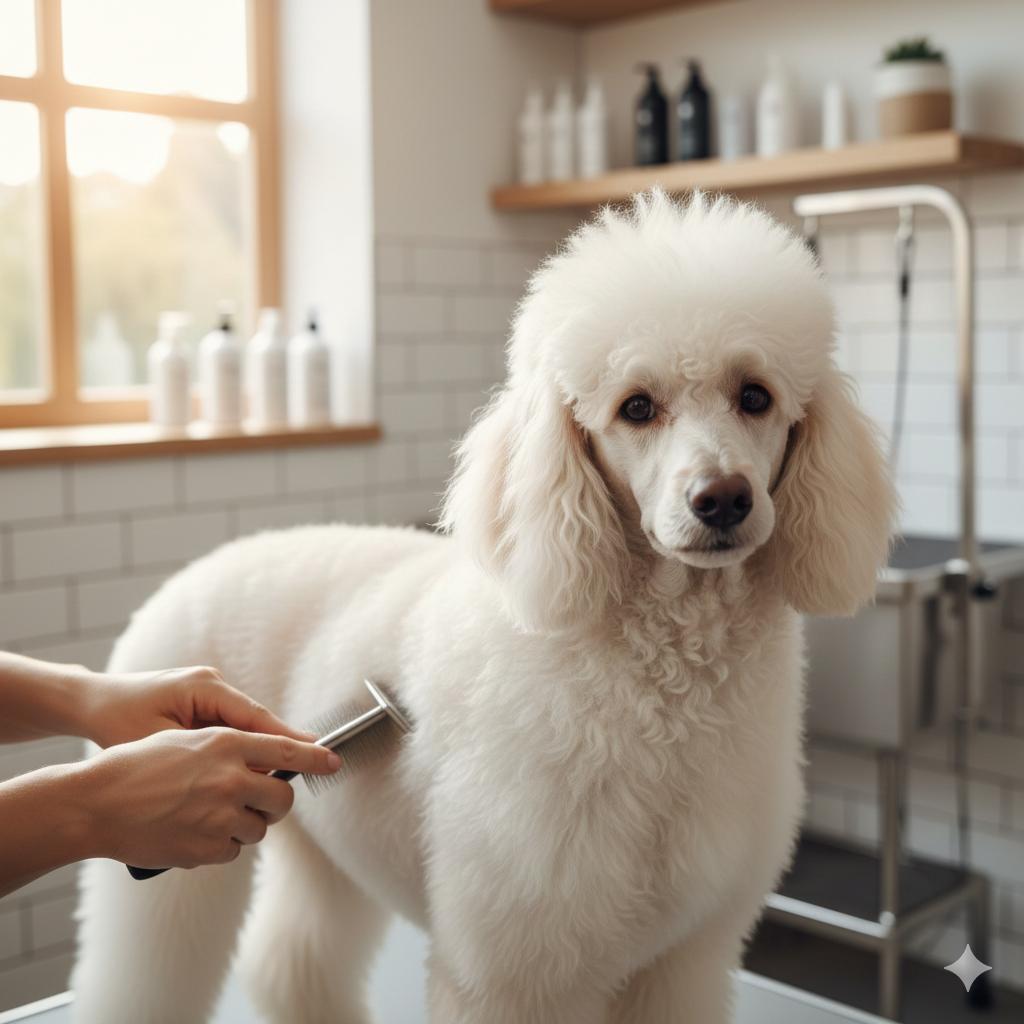
A Poodle's curly coat requires regular maintenance to prevent tangles and mats.
Brush your Poodle frequently, ideally several times a week or daily when the coat is long or prone to tangling. Schedule professional grooming approximately every four to eight weeks, depending on coat length, style, and individual needs.
Pay particular attention to areas behind the ears, under the legs, around the collar, and where the harness sits.
Regular grooming helps keep your dog comfortable and gives you an opportunity to notice skin irritation, lumps, or other changes. Visit Here
2. Provide Balanced Nutrition
Poodles need a complete and balanced diet appropriate for their age, size, activity level, and health.
Puppies generally require food formulated for growth, while adult dogs need an appropriate adult maintenance diet. Fresh, clean drinking water should always be available.
Measure meals, monitor your dog's body condition, and account for treats when managing daily food intake. If you are unsure about portion sizes or your Poodle has special dietary needs, consult your veterinarian.
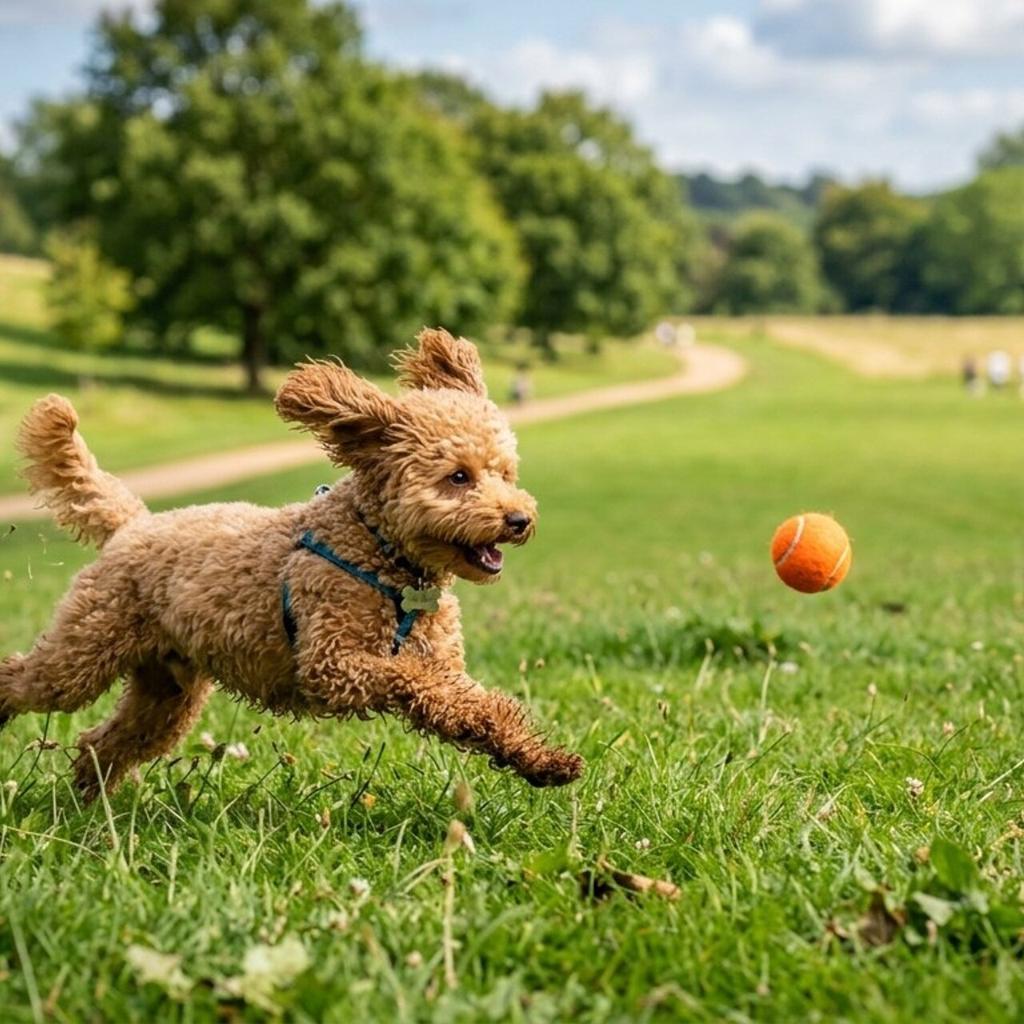
3. Give Your Poodle Daily Exercise
Poodles are active dogs that benefit from a combination of physical activity and mental challenges.
Depending on their age, size, fitness, and health, suitable activities may include:
-
Daily walks.
-
Fetch and interactive games.
-
Short obedience-training sessions.
-
Puzzle toys and supervised scent games.
-
Swimming with appropriate safety precautions.
Avoid forcing puppies into strenuous exercise, and adjust activity levels for senior dogs or dogs with medical limitations.
4. Keep Their Minds Active
Because Poodles are intelligent, they can become bored when they lack stimulation.
Teach simple commands such as sit, stay, come, and leave it. Introduce new tricks gradually and reward desirable behavior with praise, play, or small treats.
Food puzzles, hide-and-seek games, and short training sessions can provide enrichment while strengthening your relationship with your dog.
5. Maintain Dental, Ear, and Nail Care
Routine care helps support your Poodle's comfort and overall well-being.
Brush their teeth regularly with dog-specific toothpaste. Check their ears for redness, odor, or unusual discharge, and clean them only with appropriate products as directed by your veterinarian.
Trim nails as needed, taking care not to cut into the quick. If your dog resists nail trimming or you are uncertain how to do it safely, seek help from a professional groomer or veterinary team.
Arrange regular veterinary examinations and keep vaccinations, parasite prevention, and other preventive care up to date. explore Nail care tools
Are Poodles Good Family Dogs?
Poodles can make wonderful family companions because they are often affectionate, responsive, and eager to participate in family activities.
Toy and Miniature Poodles may be better suited to households that can handle small dogs carefully, while Standard Poodles may appeal to families seeking a larger, athletic companion.
Children should learn to respect a dog's boundaries, avoid disturbing dogs while eating or sleeping, and interact gently. Adults should supervise interactions between dogs and young children.
Poodles also benefit from early socialization and reward-based training. These experiences help them become more comfortable around different people, environments, and everyday situations.
Do Poodles Need Professional Grooming?
Yes, most Poodles benefit from regular professional grooming.
Their continuously growing, curly coats can become tangled or matted without proper maintenance. A professional groomer can trim the coat, maintain comfortable hair length, and help owners establish a practical home-care routine.
You do not need to choose an elaborate show-style haircut. A simple, manageable trim can be an excellent choice for a family pet.
The best grooming schedule depends on your dog's coat, haircut, lifestyle, and how consistently you brush at home.
Are Poodles Hypoallergenic?
Poodles are often described as hypoallergenic because they tend to shed less than many other breeds.
However, no dog breed is completely hypoallergenic. Allergens can come from a dog's dander, saliva, and other sources, not just loose hair.
People with dog allergies should spend time around Poodles before adopting one and consult a healthcare professional if they have concerns about allergy symptoms.
Regular cleaning and coat maintenance may help manage loose hair and dander, but they cannot guarantee an allergy-free environment.
Essential Poodle Supplies Every Owner Should Consider
Having the right supplies can make everyday Poodle care easier and more enjoyable.
Consider these useful items:
-
A suitable brush and metal comb: Help manage curls and detect tangles.
-
A comfortable collar or harness: Support safe walks and outings.
-
Food and water bowls: Make daily feeding and hydration convenient.
-
Interactive toys: Provide entertainment and mental stimulation.
-
A comfortable dog bed: Offer a dedicated place to rest.
-
Dog toothbrush and toothpaste: Support a consistent dental-care routine.
-
Nail-care tools: Help maintain comfortable nail length when used safely.
-
Training treats: Make reward-based learning easier.
Choose products that match your Poodle's size, age, coat, and individual needs. Introduce unfamiliar grooming tools gradually, rewarding calm behavior to help make care routines more positive.
Final Thoughts: Life Is Better With a Poodle
Poodles offer much more than their beautiful curls and elegant appearance. Their intelligence, affectionate nature, and playful personalities make them special companions for many households.
Whether you love the tiny Toy Poodle, the lively Miniature Poodle, or the athletic Standard Poodle, responsible ownership means providing consistent grooming, balanced nutrition, regular exercise, mental enrichment, and preventive veterinary care.
With patience, attention, and the right supplies, you can help your Poodle enjoy a comfortable and rewarding life by your side.
At PoodleUS, we celebrate the special bond between Poodles and the people who love them. Explore our collection of thoughtfully selected dog accessories and discover practical ways to make everyday life with your furry companion even better.
Because every Poodle deserves comfort, care, and plenty of love.
Frequently Asked Questions About Poodles
Are Poodles easy to train?
Poodles are highly intelligent and often learn quickly. Consistent, reward-based training and early socialization can help them develop good habits.
How often should I groom my Poodle?
Brush regularly, often several times a week or daily for longer coats. Many Poodles need professional grooming every four to eight weeks, depending on their coat and haircut.
Do Poodles shed a lot?
Poodles generally shed relatively little compared with many other breeds, but loose hair can remain trapped in their curly coats. Regular brushing is important.
Can Poodles live in apartments?
Yes. Toy and Miniature Poodles can adapt well to apartments, and Standard Poodles may also thrive in suitable apartments. All varieties need appropriate exercise, training, and mental stimulation.
How long do Poodles live?
Lifespan varies by size, genetics, and individual health. Many Toy and Miniature Poodles live around 10–18 years, while Standard Poodles commonly live around 10–18 years as well, with individual variation.
What is the most important part of Poodle care?
Consistent grooming, proper nutrition, daily activity, positive training, dental care, and regular veterinary visits all contribute to a Poodle's well-being.
SHARE
0 comment
Be the first to comment